
Global Reach: How to Grow an Online Business Across Borders
A visitor from another country lands on your page. Then another. Interest from abroad is a chance to serve people well. It is also a cue to slow down and learn how those customers buy, pay, and get help.
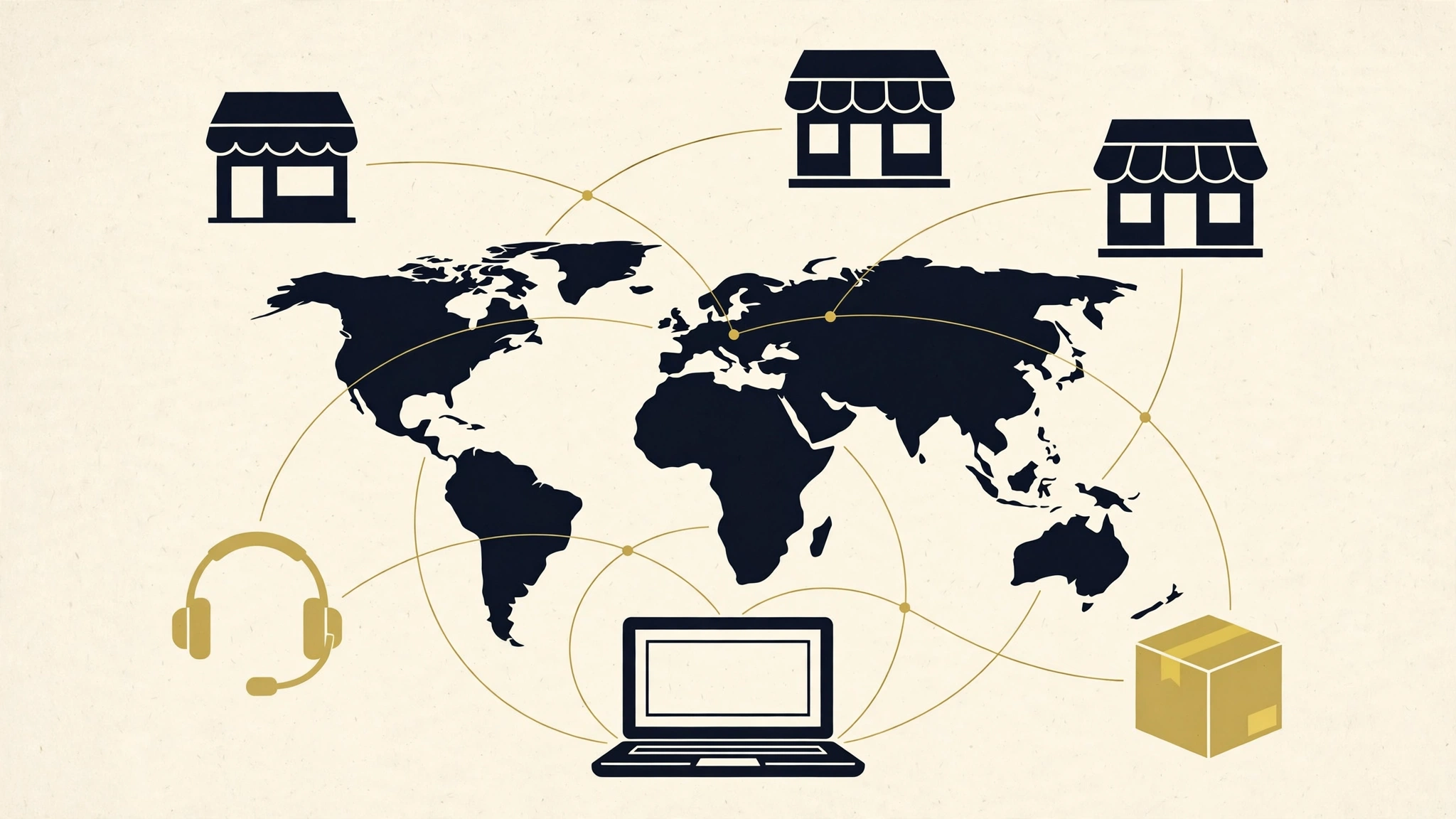
Growing an online business internationally means serving people in other countries with clarity and respect. Begin with one additional market. Learn how those customers buy and communicate. Then address payments, support, delivery, privacy, and tax questions with attention. This guide offers operational steps for beginners. It is educational content, not legal, tax, or financial advice. Consult qualified professionals for your specific situation.
Research One Additional Audience Without Guessing
Start small. Choose a country where you already see interest, based on your analytics. Use free tools like Google Trends to compare search interest in your offer. Read forums or social media groups in that language to understand local needs.
Observe competitors who serve that market. Note what they emphasize. Survey a few potential customers through simple online forms. Ask about their preferences in buying online. This research builds a clear picture before you invest time.
Localization Basics for Beginners
Localization for beginners adapts your site to feel familiar. Translate key pages accurately, not just word-for-word. Use tools like Google Translate for drafts, then hire a native speaker for review.
Display prices in local currency. Tools on your site can auto-convert and show both home and local options. Account for time zones in emails or live chats. List local holidays to avoid sending promotions during observances like Diwali or Carnival.
Examples help: If selling courses, offer sessions at times convenient for Europe. For products, note regional sizing standards.
International Customer Support Across Time Zones
Set response windows that overlap with your new market's business hours. Publish clear policies, like "Replies within 24 hours on weekdays." Build FAQs covering common questions, such as returns or shipping times.
Use email and chat for flexibility. Record responses to reuse. Train yourself to communicate patiently, confirming understanding across language barriers.
Handle Cross-Border Payments Smoothly
Rely on established payment processors that support multiple countries. Be upfront about the currency customers will be charged in. Explain any conversion fees at checkout.
Watch for higher chargeback rates from international cards. Review processor reports regularly. Test the full flow yourself from a foreign IP to spot issues.
Privacy Practices That Build Trust
Collect only essential data, like email for orders. Be transparent in your policy about what you store and how long. Privacy rules vary by country. For instance, GDPR in Europe sets strict standards that might apply to your business.
This is not legal advice. Review requirements with a privacy expert familiar with your markets.
Navigate Online Business Taxes Thoughtfully
Tax treatment hinges on your location and your customers' locations. Sales thresholds may trigger obligations in other countries. Track where sales occur.
Consult a qualified tax professional or accountant early. They can guide registration and reporting specific to your setup. This is educational, not tax advice.
Shipping, Digital Delivery, or Services: Know the Differences
Physical goods need reliable carriers with tracking. Calculate duties upfront or use fulfillment services. Digital products deliver instantly via email links. Services might involve scheduling across zones.
Each has unique logistics. Test end-to-end before scaling.
Show Cultural Respect in Every Interaction
Research local norms around communication. Directness works in some places, politeness in others. Skip humor or urgency that might confuse. Adapt colors or imagery if they carry different meanings.
Listen first. Adjust based on feedback.
Your First 90 Days Checklist
- Week 1-2: Pick market, research audience via trends and forums.
- Week 3-4: Localize site language, currency, time zones.
- Week 5-6: Set up support policies, FAQs, payment testing.
- Week 7-8: Review privacy, consult pros on taxes.
- Week 9-12: Test delivery, incorporate cultural notes, monitor first interactions.
Frequently Asked Questions
Do I need a local entity to sell internationally?
Often not at first, but check tax rules with a professional.
How do I handle returns from abroad?
Define policies clearly, consider restocking fees for shipping.
Next Steps
Free guide
Start with the model, then think about borders
Reaching new markets is easier once you know which online model you are building. Our free guide, 5 Online Income Models, Ranked by Startup Cost, compares five common paths on startup cost, time to first dollar, skill needed, and camera comfort.
This page may contain affiliate links. Thriving Achiever may receive compensation at no additional cost to you.
Recommended resources
Take one step today. Your global journey starts with preparation.
